

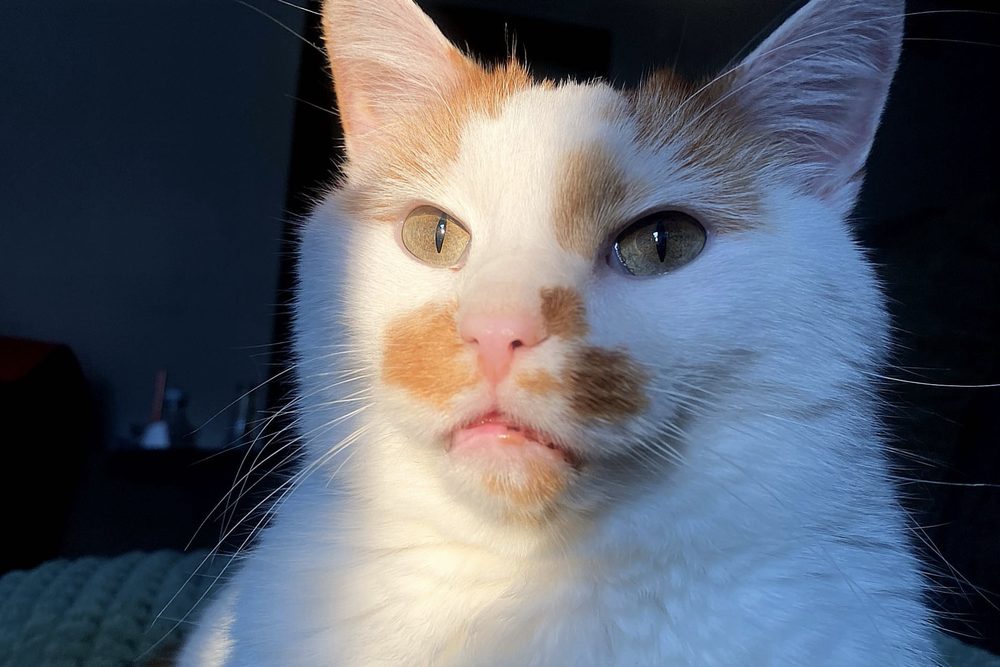
Feline asthma is a disease that often disguises itself, which frequently delays detection and diagnosis. The good news is cats don't need to suffer from it.
Since cats are usually fastidious groomers, furballs are common. Owners see their cat cough a bit, and fur that didn't pass through the digestive system comes up. Symptoms that seem like an ordinary furball might be masking another condition, however. What if the kitty hunches, stretches her neck downward and coughs, but nothing comes up? What if she is also wheezing?
"Sometimes behaviors associated with one thing are disguising something entirely different," said Dr. Paige McMahon, "A cat might look like he is having a hard time bringing up a furball, but what is actually happening is more serious. He is struggling to breathe.
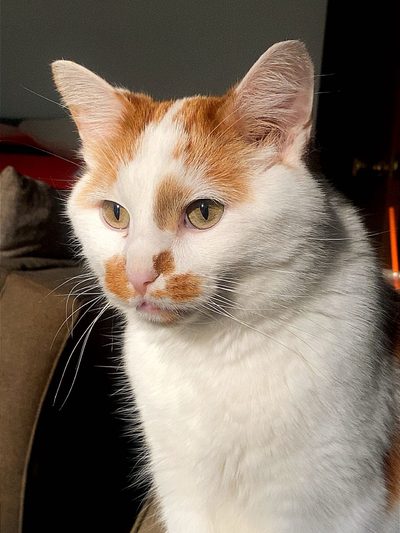
"Asthma is an inflammatory disease that is very similar to asthma in humans," said McMahon. "The bronchi are two narrow passages that carry air from the trachea - also known as the windpipe - to the lungs. When a cat is exposed to a trigger, those tubes constrict, and he has an asthma attack. The bronchi become inflamed and swell, which narrows the airway and makes it hard for the cat to bring air into the lungs."
McMahon explained that an asthma attack occurs when the body's immune response overreacts when triggered by an allergen. "Things in the cat's environment aren't the cause of the disease, but they can cause breathing attacks," she said.
"The triggers can be almost anything: tobacco smoke; kitty litter dust; vapors from household cleaning solutions and aerosol sprays; pollen from trees, weeds and grass; mold and mildew; dust mites; candles and many other things. If an asthmatic cat breathes in those vapors, the kitty's bronchi constrict, so he can't get air into his lungs," said McMahon.
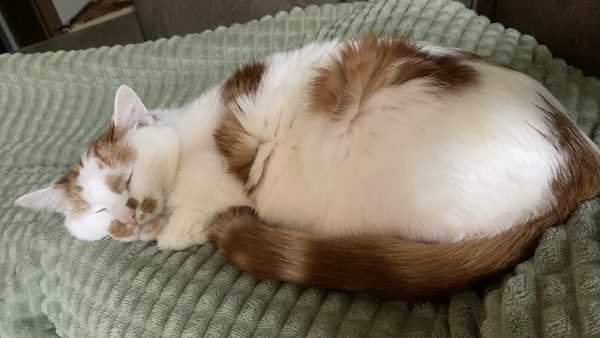
When Abbott, 8, started showing signs of trouble, the owners recognized his behavior was not just a furball he couldn't quite bring up. They took him to the clinic to see what was happening with their beloved boy. McMahon, whose own cat has asthma, easily pinpointed Abbott's trouble as asthma.
"Fortunately, asthma is quite treatable, and we treat it essentially the same way humans are treated for the condition - with inhalers," said McMahon. "Inhalers contain steroids, which reduce the inflammation in the bronchi. Once that swelling goes down, the airways open and the cat can breathe better."
Inhaler for a cat? WHAT? "It may sound impossible for a cat to use an inhaler, but it's not as crazy as it sounds," she said. "We use something called an aerokat, which is an attachment for a chamber fitted to the inhaler on one end and a kind of mask that fits over the kitty's nose and mouth on the other," she said. "It just requires owners to be patient and let the cat's tolerance of having strange contraption on its face develop over time."
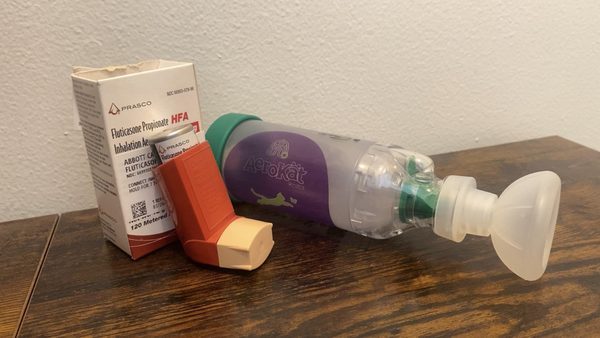
McMahon said what works best for getting a cat accustomed to the treatment is introducing the routine slowly. "And positive reinforcement usually prevails when a pet has to adjust to something new, so have lots of treats on hand," she noted.
"Not all cats are treated the same, of course, but generally asthmatic kitties will need two doses a day for long-term control," said McMahon. "Families can also reduce or eliminate some of the likely environmental triggers, like not smoking in the house or burning scented candles, for example."
For more information or to make an appointment, call 414-421-1800 or visit Greendale Village Vet.


